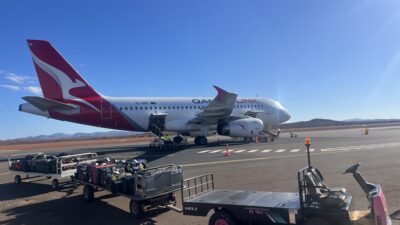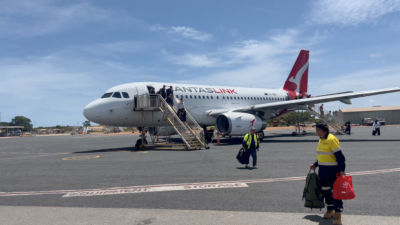





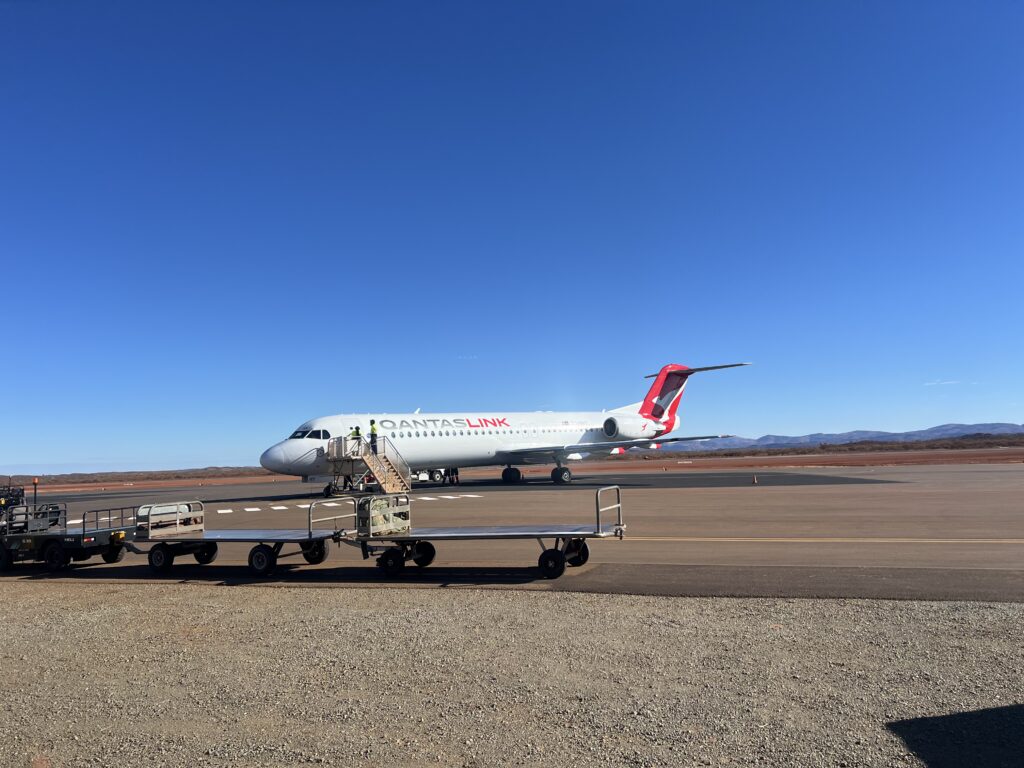
Flying in Western Australia’s remote Pilbara region is never just about transport. It is an immersion into one of the most important industrial landscapes in the country, where aviation exists primarily to serve mining operations and the fly-in fly-out workforce that keeps them running. QantasLink flight QF1631 from Paraburdoo to Perth captures this reality perfectly, operating through one of Australia’s most isolated yet economically significant corridors.
This particular flight, operated by the Fokker 100, represents a diminishing chapter in Australian aviation. As newer regional jets gradually replace these ageing aircraft, flights like this are becoming increasingly rare, adding a sense of quiet significance to what would otherwise be a routine domestic sector.
The Journey Begins: Tom Price and the Heart of the Pilbara
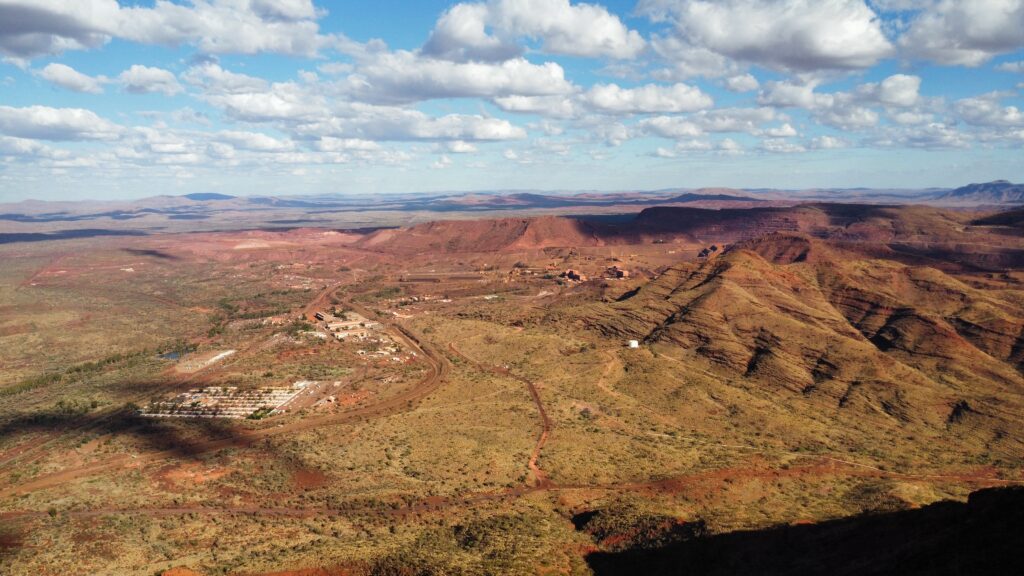
The journey begins in Tom Price, a remote mining town set high in the Hamersley Range of Western Australia. Sitting at approximately 750 metres above sea level, it is often described as one of the highest towns in the state. The surrounding environment is stark yet striking, defined by red earth, iron-rich rock formations, and vast open spaces that stretch far beyond the horizon.
Just outside town lies a prominent lookout area reaching over 1,100 metres above sea level, accessible either by a demanding hiking trail or via a rugged four-wheel-drive track that winds through some of the most dramatic terrain in the region. The landscape is especially vivid during the cooler months, when the harsh summer heat eases and the Pilbara reveals a more hospitable side, with temperatures sitting comfortably in the mid-twenties.
Accommodation in Tom Price reflects its role as a mining support town rather than a tourist destination. Caravan parks dominate the lodging options, offering modest cabins and essential facilities rather than luxury comforts. Despite this simplicity, the setting often feels like a green oasis amid an otherwise harsh and arid environment, though prices remain high due to limited availability and strong demand from transient workers.
Pilbara Aviation Reality: The Go West Shuttle to Paraburdoo
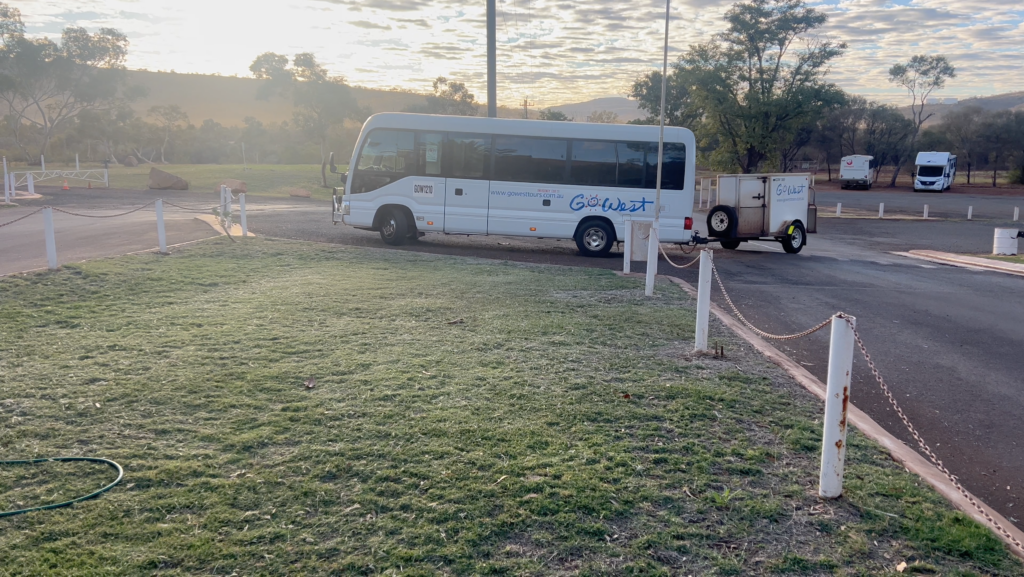
Reaching Paraburdoo Airport from Tom Price is itself a journey that highlights the remoteness of the region. With no direct public transport infrastructure, passengers rely on the Go West Tours shuttle service, which connects key locations across the Pilbara with scheduled flights.
The drive takes roughly fifty minutes, covering around eighty kilometres of open highway that cuts through the rugged inland landscape. The experience is quiet and expansive, with long stretches of road framed by sparse vegetation and mining-related infrastructure in the distance. The shuttle service, while basic, plays an essential role in enabling access to air travel for residents and FIFO workers alike, effectively forming a vital link in the region’s transport chain.
Along the way, the sheer scale of the Pilbara becomes increasingly apparent. It is a region that feels both empty and essential, simultaneously remote and central to Australia’s economic engine.
The Pilbara: Australia’s Economic Powerhouse
The Pilbara is one of the most resource-rich regions on Earth, despite its relatively small population. Covering more than half a million square kilometres and home to only around seventy thousand people, it stands as one of the most sparsely populated yet economically significant regions in Australia.
Its importance lies in its mineral wealth, particularly iron ore, which is exported in vast quantities to global markets. The region is responsible for a substantial portion of the world’s iron ore supply, with hundreds of millions of tonnes shipped annually through nearby ports such as Port Hedland and Dampier. Beyond iron ore, the Pilbara also contributes significantly to lithium production and liquefied natural gas exports, making it a cornerstone of global resource supply chains.
Despite its industrial focus, the Pilbara is also visually remarkable. Its geography is defined by ancient mountain ranges, dry riverbeds, and expansive national parks such as Karijini, where deep gorges and dramatic rock formations showcase the natural history of the region. Tom Price acts as one of the key gateways to these landscapes, blending industrial function with natural tourism potential.
Paraburdoo Airport: A Remote Mining Aviation Hub
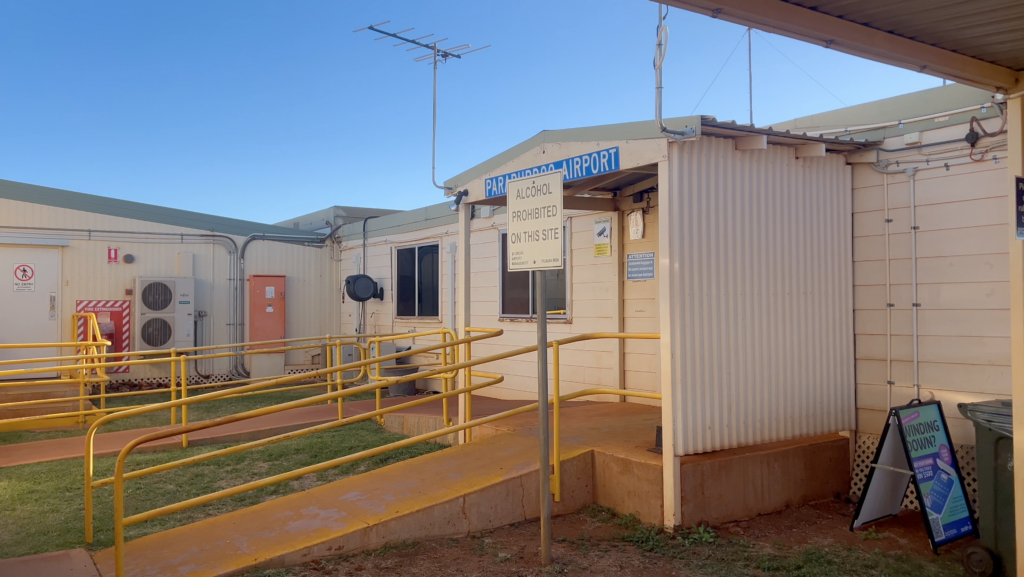
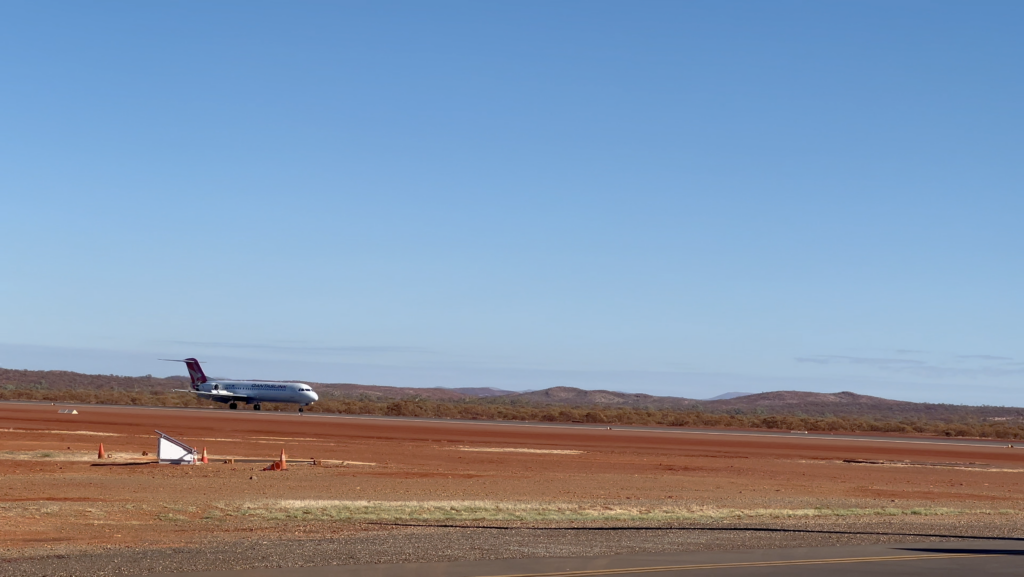
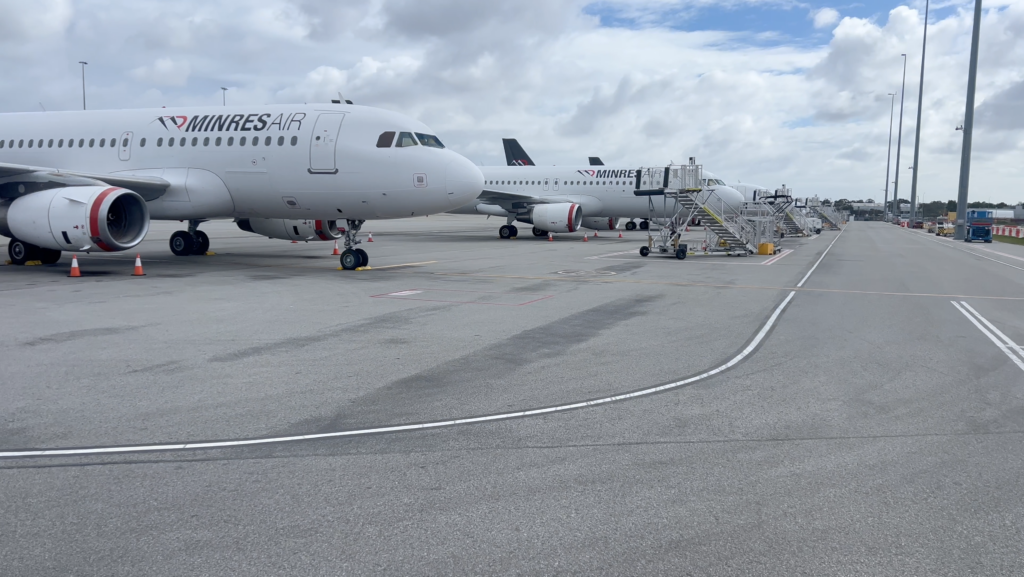
Paraburdoo Airport sits quietly in the heart of this industrial landscape, located just a short distance from the small township of Paraburdoo and within easy reach of Tom Price. Despite its modest size and minimal infrastructure, it plays a disproportionately important role in regional aviation, primarily serving FIFO operations connected to nearby mining sites.
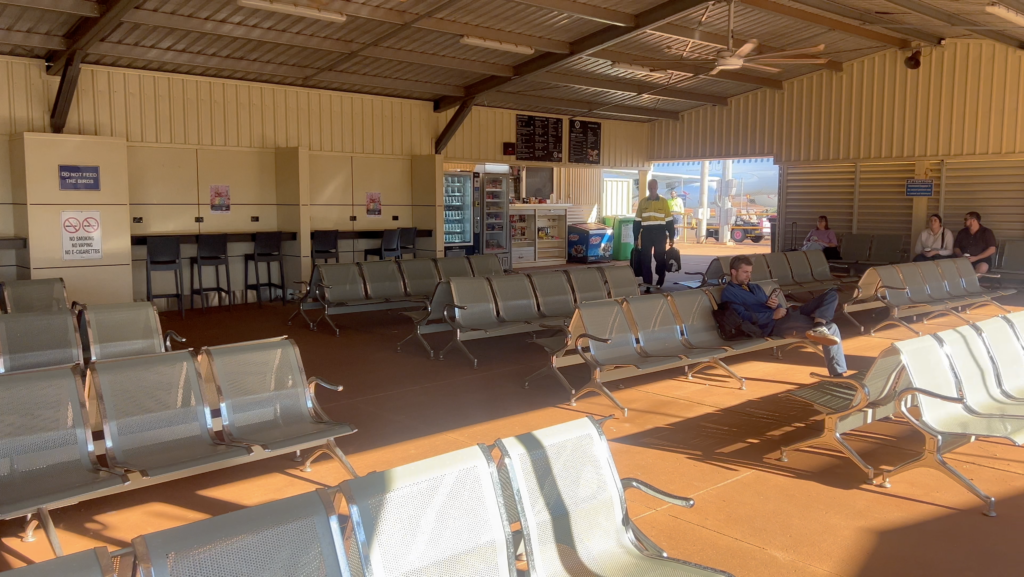
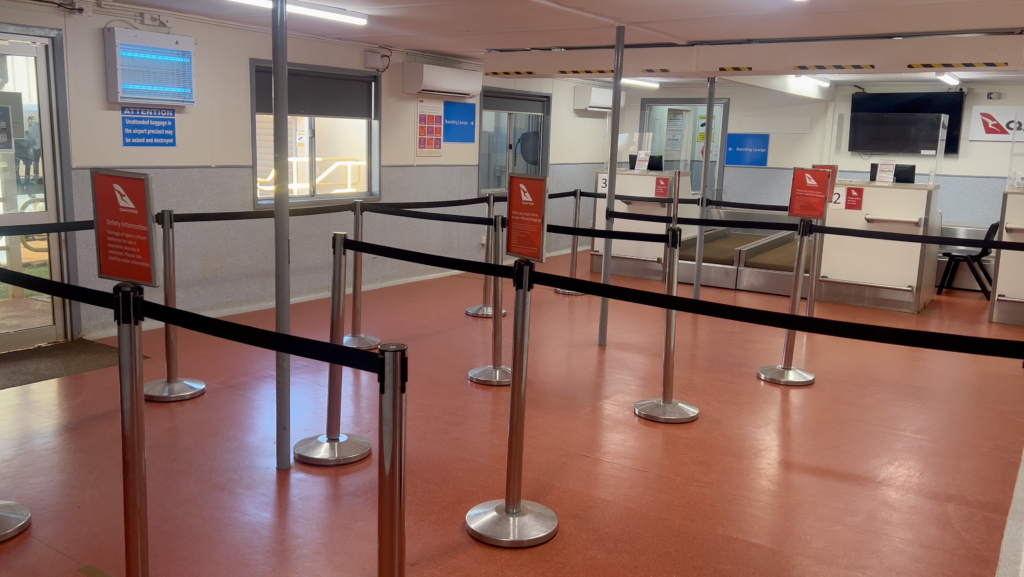
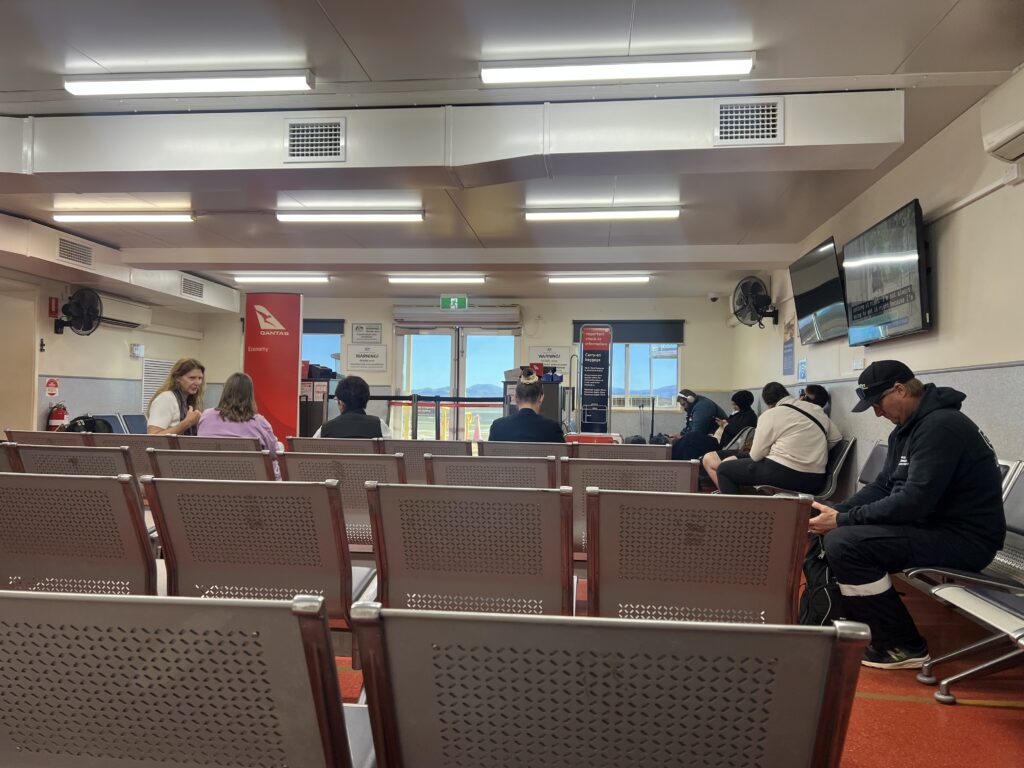
The airport is privately owned by Rio Tinto, one of the world’s largest mining companies, and its design reflects its purpose. Facilities are functional rather than decorative, with a compact terminal, outdoor baggage collection areas, and a boarding process that prioritises efficiency over comfort.
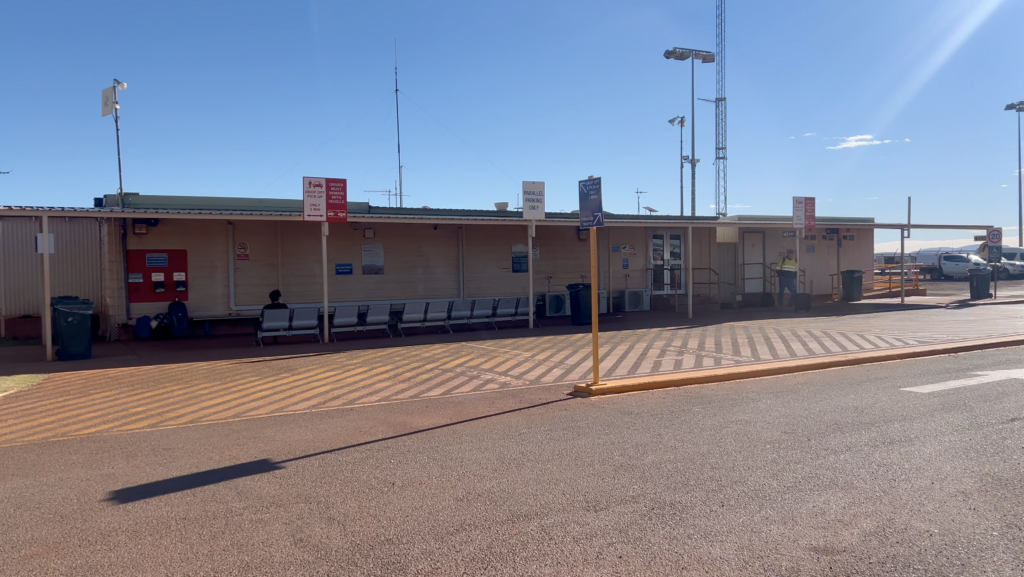
Yet despite its simplicity, the airport handles a significant volume of traffic each year, placing it among the busier regional airports in Australia. The constant movement of aircraft associated with mining operations creates an atmosphere that is surprisingly active for such a remote location.
For aviation enthusiasts, Paraburdoo offers something rare. Aircraft arrive and depart in close proximity, allowing for an unusually intimate view of regional aviation in action. It is a place where modern FIFO logistics and classic regional aircraft coexist in a uniquely Australian setting.
The Aircraft: QantasLink Fokker 100 in Final Service Years
The aircraft operating QF1631 is a Fokker 100, a twin-engine regional jet that has become something of a cult classic in aviation circles. Designed in the late 1980s and entering service in the early 1990s, the type was built for short to medium-haul operations and has proven particularly well-suited to rugged environments like the Pilbara.
The specific airframe on this flight is over three decades old and has accumulated a long operational history across multiple continents before entering service in Australia. Its longevity is a testament to the durability of the design, which continues to perform reliably even in demanding FIFO operations.
Although ageing, the aircraft remains structurally sound and well maintained. Its continued use reflects both its operational suitability and the transitional phase of regional aviation in Australia, where newer aircraft such as the Embraer E190 are gradually taking over its role.
Cabin Experience: Functional Design with a Vintage Feel
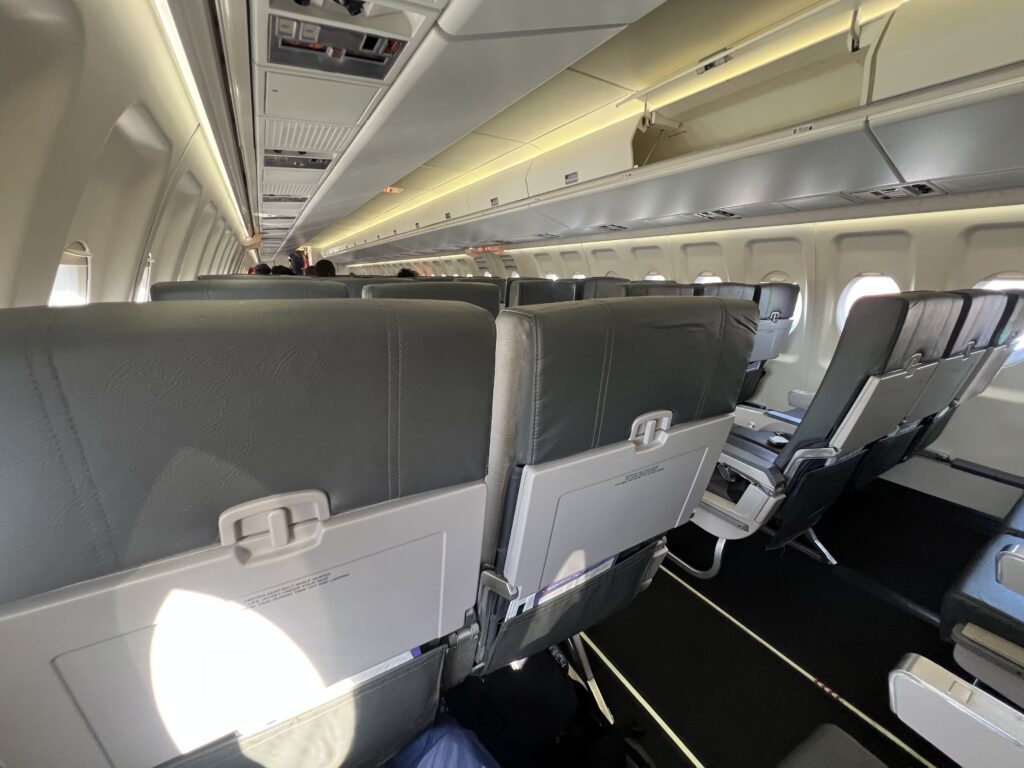
The cabin of the Fokker 100 reflects its era, with a straightforward and functional design that prioritises capacity and durability over modern aesthetics. Seating is arranged in a two-three configuration, providing a total capacity of around one hundred passengers.
Despite its age, the seating remains reasonably comfortable for a flight of under two hours. Seat pitch is adequate, and the cabin width gives a sense of space that is often lacking in more modern regional jets. Certain seats positioned near the wing offer a particularly immersive experience, especially for those interested in aircraft observation.
One of the most notable aspects of the cabin experience is the sensory connection to the aircraft itself. The sound and vibration of the engines, particularly in seats located close to the wing, create a level of engagement with the flight that is increasingly rare in modern aviation.
Boarding Experience: Efficient FIFO Operations
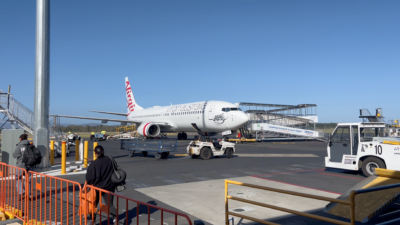
Boarding at Paraburdoo Airport is conducted directly from the tarmac, reinforcing the operational simplicity of FIFO aviation. Passengers are processed quickly through security and guided to the aircraft with minimal delay.
The absence of jet bridges and the direct exposure to the aircraft on the apron contribute to a sense of immediacy that is often lost in larger airports. The process is efficient, reflecting the need to maintain tight scheduling across a network designed around workforce rotation rather than passenger leisure travel.
Inflight Experience: Limited Systems, Practical Service
Once airborne, the inflight experience on the Fokker 100 is functional rather than luxurious. There is no onboard Wi-Fi, and entertainment is provided through a basic stream-to-device platform that offers a selection of films, television content, and audio programming.
On this particular flight, however, the system was not fully operational, limiting its usefulness and leaving passengers to rely on their own preloaded content. While not unusual for older aircraft, it highlights the technological gap between legacy regional jets and modern fleet standards.
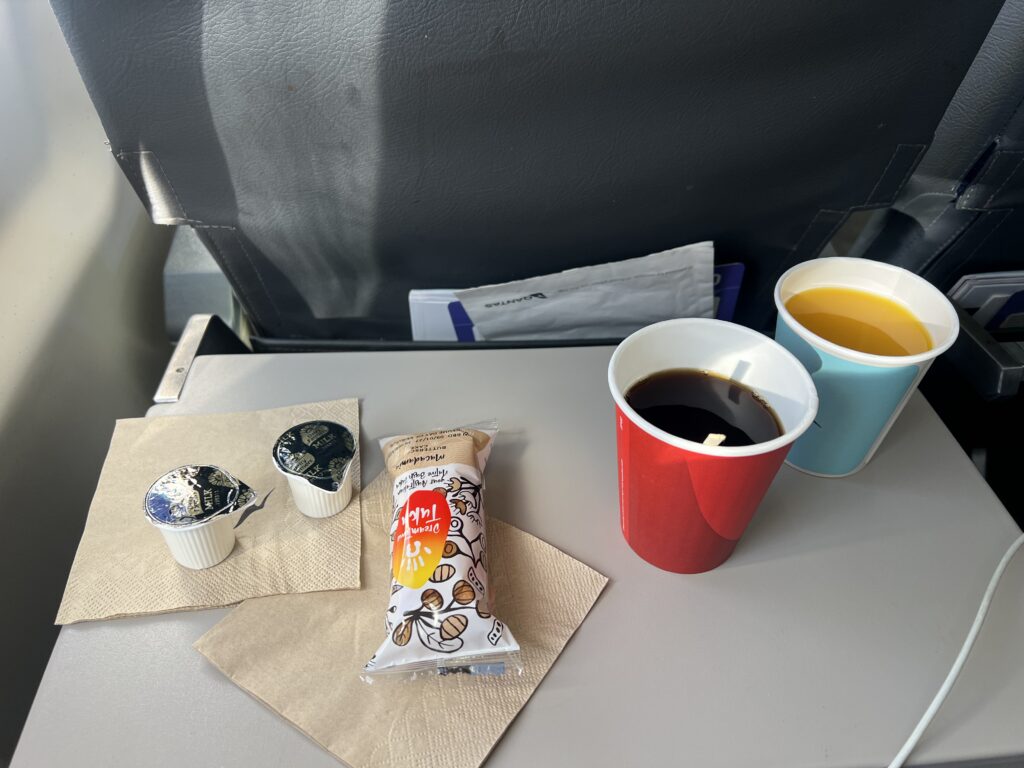
Catering is similarly minimal, consisting primarily of basic beverages such as tea, coffee, and juice, along with a light snack. While sufficient for a short regional flight, the offering feels restrained when considered against the relatively high cost of travel on this route.
Cruise Over the Pilbara: One of Australia’s Great Aerial Landscapes
At cruising altitude, the flight becomes visually exceptional. The aircraft tracks over an immense landscape of red earth, ancient rock formations, and isolated infrastructure that defines the Pilbara region.
From the window, the scale of the terrain is difficult to comprehend. Mining sites appear as geometric patterns carved into the land, while natural features stretch across vast distances with little sign of human settlement. It is a reminder of both the isolation and the industrial importance of this part of Australia.
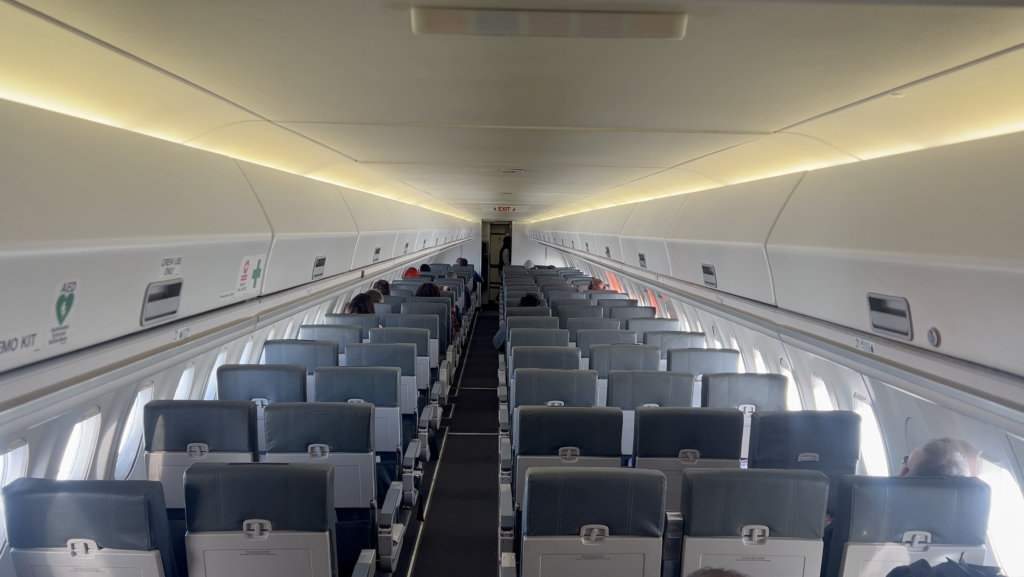
The Fokker 100 provides a stable and relatively quiet cruise environment, allowing passengers to observe the landscape in comfort as the aircraft makes its way south toward Perth.

Arrival into Perth: Return to Urban Airspace
As the aircraft approaches Perth, the environment shifts dramatically from remote desert to structured urban development. Air traffic density increases, and the descent becomes a carefully managed transition into one of Australia’s busiest airports.
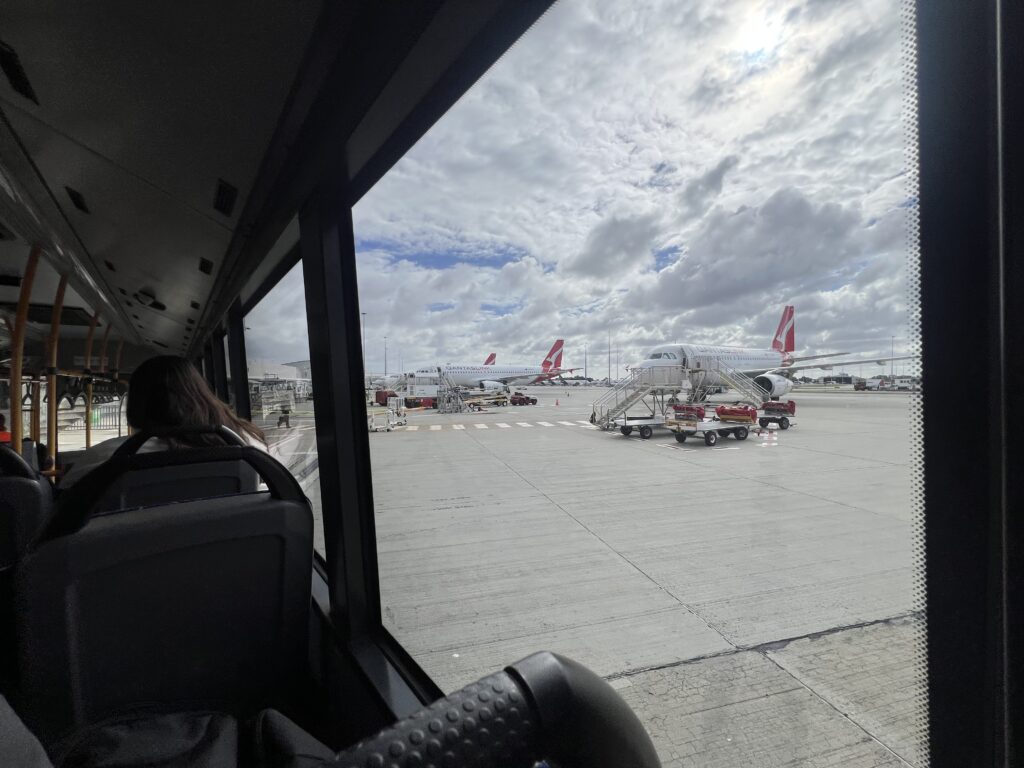
Landing is smooth and uneventful, consistent with the aircraft’s stable handling characteristics. Upon arrival, passengers are often transported by bus to the terminal due to the use of remote stands, a common occurrence for regional FIFO services at peak times.
Value and Fare Experience: The Economics of FIFO Aviation
The cost of travel on this route reflects its unique demand structure. Standard fares are often high due to the dominance of FIFO traffic, with one-way tickets frequently exceeding several hundred dollars. This pricing is driven more by industrial necessity than traditional passenger demand.
Frequent flyer redemptions and promotional offers can significantly alter the value proposition, making the route more accessible to non-industrial travellers and aviation enthusiasts seeking the experience of flying this aircraft type before its retirement.
Final Thoughts: A Disappearing Chapter in Australian Aviation
The QantasLink Fokker 100 service between Paraburdoo and Perth represents a distinctive and increasingly rare segment of Australian aviation. It combines remote industrial operations, unique aircraft heritage, and one of the most visually striking flight paths in the country.
While the onboard product is modest and the aircraft itself is nearing retirement, the overall experience remains deeply memorable. It is shaped not by luxury or technology, but by atmosphere, context, and history.
As the Fokker 100 gradually exits service in favour of newer regional jets, flights like QF1631 will likely be remembered as part of a closing era in Australian FIFO aviation—one defined by rugged aircraft, remote landscapes, and the essential role of aviation in connecting the country’s most isolated regions.
Disclaimer: This article has been repurposed from the original transcript of my own flight review on the Aussie JetSetter Youtube channel with the assistance of AI technologies. Please be advised whilst I have taken the utmost care to review and revise this article where necessary to reflect the upmost of accuracy at time of publication please be advised my reviews whether written or in video form are for entertainment and general information purposes only. They reflect the objective views in good faith of the person only whom is presenting them unless otherwise noted. Any decisions you make resulting from consuming my content must take into consideration your own circumstances, research and responsibility as I can not be hold responsible for any inaccuracies or future changes effecting the relativity of such reviews. All Rights Reserved by Aussie JetSetter from 2022 >