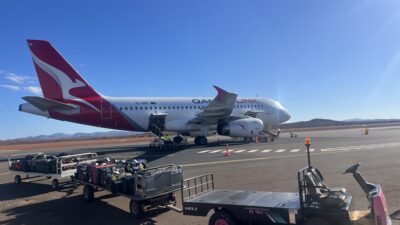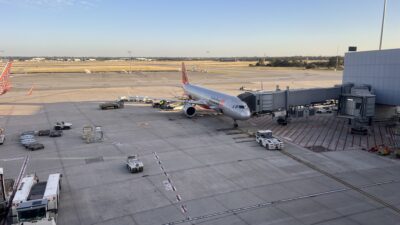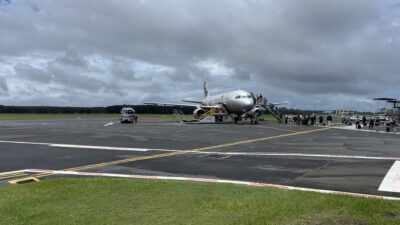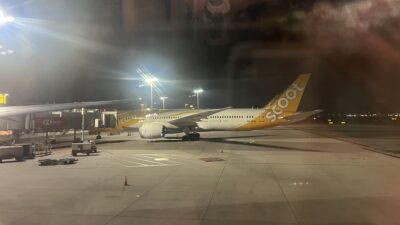






Flying across the South Pacific is always a memorable journey, but flying on the flagship Airbus A350-900 of Fiji Airways takes the experience to another level. This review covers my flight from Nadi International Airport in Fiji to Sydney Kingsford Smith Airport, exploring the ground experience, the stunning Fiji Airways Premier Lounge, the onboard product, service, meals, entertainment, and overall value.
Along the way, I’ll share insights into booking with Qantas Points, impressions of the hard and soft product, and whether Fiji Airways really lives up to the hype as one of the most competitive mid-sized airlines in the region.
Arriving in Fiji and Preparing for Departure
My journey began on the idyllic shores of Fiji. After spending a few days unwinding at Wailoaloa Beach near Nadi, it was time to wrap up my Pacific travels and head home to Australia. Fiji has long been a bucket-list destination, but this trip marked my very first visit, despite having travelled to more than fifty countries previously.
From the outset, I knew this flight would be special. Not only was I flying Fiji Airways’ most modern aircraft, the Airbus A350-900, but I was also booked on a redemption using Qantas Frequent Flyer points. For just 25,000 Qantas points and around AUD $250 in taxes, I secured a one-way ticket from Nadi to Perth, routing via Sydney and Canberra. The value was excellent, especially given this itinerary included multiple flights and a chance to review different aircraft types.
But first, there was the Nadi to Sydney sector — a flight of just over four hours covering a distance of 3,170 kilometres across the South Pacific.

Nadi International Airport: Gateway to the Pacific
Nadi International Airport is the beating heart of Fiji’s aviation industry. Although it sits near the small city of Nadi and over 190 kilometres from Suva, the country’s capital, it handles the vast majority of international arrivals and departures.
The airport is modern, efficient, and surprisingly well-equipped for a nation of fewer than one million people. Passenger numbers were just under 2.5 million in 2019, before the pandemic, which highlights the importance of tourism and aviation to Fiji’s economy.
Airlines like Virgin Australia, Jetstar, Qantas, Air New Zealand, and Fiji Airways provide strong connectivity to Australia and New Zealand, while Fiji Airways itself also serves North America and parts of Asia. Domestically, its subsidiary Fiji Link operates ATRs and Twin Otters connecting Suva and other islands across the archipelago.


Check-in at Nadi was a semi-automated process. I used the self-service kiosks to print a boarding pass and baggage tag, then dropped my bag at the counter where the staff warmly assisted with my onward itinerary. Because this was booked as a points redemption, the kiosk initially only recognised my Nadi–Sydney leg, but staff quickly fixed this and issued boarding passes for my onward connections to Canberra and Perth.
Despite being a busy Sunday morning, the airport process was smooth. Security was efficient, immigration was quick, and soon enough I found myself airside and ready to explore the lounge.

Fiji Airways Premier Lounge at Nadi
One of the biggest highlights of the pre-flight experience was visiting the Fiji Airways Premier Lounge. Although I wasn’t flying business class, access was made possible through my Priority Pass membership, which was a fantastic perk.
The lounge exceeded my expectations in every way. Spacious and modern, it offered seating for more than 200 guests spread across multiple zones for solo travellers, families, and business passengers alike. The atmosphere was calm and polished, making it one of the best Priority Pass lounges I’ve experienced to date.

The food and beverage selection was another standout. For breakfast, there was an excellent hot buffet featuring a full English breakfast, as well as continental options. Barista-made coffee was available, and to my surprise, the flat white was one of the best I’ve had outside Australia. Later, I sampled the fully stocked bar, which featured local Fijian beer, spirits, and a range of (not so Fijian) wines.

Other facilities included fast Wi-Fi, shower suites, a business centre, a media room, and large television screens broadcasting live sport. Watching the English Premier League on an ultra-wide screen while sipping a locally distilled spiced rum felt like the perfect way to farewell Fiji.
Overall, the Fiji Airways Premier Lounge was an easy top-five Priority Pass lounge experience for me. It set a strong tone before the flight and showed that Fiji Airways takes its ground product seriously.


Boarding the Airbus A350-900
Soon it was time to head to the boarding gate, which was bustling with passengers bound for Sydney. The aircraft operating my flight was an Airbus A350-900 delivered in 2019, originally destined for Hong Kong Airlines but instead taken up by Fiji Airways. At just five years old, it still felt fresh and modern.
One of the charming quirks of Nadi Airport is its semi-outdoor walkways leading to the jet bridges. This design is similar to airports in Hawaii and allows for fantastic views of aircraft during boarding while still being sheltered from rain. It was a small but memorable touch that added to the overall tropical departure experience.

Cabin and Seat Experience
The Fiji Airways A350 features a total of 334 seats, including 33 in business class and 301 in economy. Business class offers Collins Aerospace Super Diamond fully lie-flat seats, arranged in a modern 1-2-1 configuration. Economy is laid out in a 3-3-3 format with Recaro C3710 seats.

I had reserved an extra-legroom bulkhead seat, which cost me just FJD $17 (around AUD $12) — an incredible bargain for the comfort it provided. Seat pitch in standard economy is around 31–34 inches, but my bulkhead seat felt significantly more spacious.
Each seat came with a pillow, blanket, and headphones for the in-flight entertainment system. At bulkhead seats, the screen is stowed in the armrest and flips out after take-off.
In-Flight Entertainment and Connectivity
Fiji Airways equips its A350s with 12-inch Thales Avant touchscreens. These are crisp, modern, and responsive, and they include a moving map display plus two external cameras — one under the belly and another on the tail, which was fantastic for aviation enthusiasts.
Content included Hollywood films, TV series, albums, games, and audiobooks. While the selection was broad, I found it underwhelming personally, with little that appealed to my interests. In the end, I stuck with my pre-downloaded documentaries on my laptop.
Wi-Fi was available with a simple pricing model. Business class passengers enjoyed free access, while economy travellers could use free text messaging apps or purchase web passes. On this four-hour flight, a standard web plan cost USD $7.95, or USD $14.95 for the more comprehensive Web Plus plan.

Onboard Meals and Drinks
Being a morning flight, the catering featured a hot English breakfast. My tray included scrambled eggs, chicken sausage, and hash brown bites, accompanied by yoghurt, a muesli bar, orange juice, and coffee. While it wasn’t groundbreaking, it was satisfying and well-presented — an extension of the quality breakfast I’d already enjoyed in the lounge.
Later in the flight, I sampled local Fijian beers. Fiji Bitter was reminiscent of Victoria Bitter, while Fiji Gold shared similarities with XXXX Gold from Queensland. Both were light, refreshing, and perfect for the Pacific climate. A small snack of cheese curlies — strikingly similar to Twisties — rounded out the experience.

The Flight and Scenic Views
At cruising altitude of 40,000 feet, the flight was smooth and efficient. Unexpectedly, one of the highlights came mid-journey when we flew over Elizabeth Reef, the southernmost coral atoll in the world. The aerial view was breathtaking, and as an aviation and geography enthusiast, it was a bonus to see such a remote part of Australia’s Coral Sea Islands Territory.
With clear skies and calm conditions, the descent into Sydney offered equally stunning views. The flight touched down slightly ahead of schedule, with Sydney basking in a warm 29°C afternoon.

Arrival in Sydney
Disembarkation was swift, and I appreciated the crew’s professionalism as passengers were guided through the arrival process. Like all international arrivals into Australia, passengers were reminded of strict biosecurity laws and the importance of declaring food, plant products, or items exposed to farm environments.
To my surprise, Sydney Airport was remarkably quiet for a Saturday afternoon. Immigration e-gates worked flawlessly, baggage arrived quickly, and customs clearance was efficient. Within minutes, I had reclaimed my luggage and was preparing for my onward domestic connections.
Final Verdict: Fiji Airways A350 from Nadi to Sydney
So, how did Fiji Airways perform on this important trans-Tasman route? Overall, I was impressed.
- Aircraft and comfort: The Airbus A350 is a huge step forward from Fiji Airways’ older A330s. The cabin felt spacious, quiet, and modern, with excellent extra-legroom options available for a small fee.
- Service and hospitality: Fijian warmth shone through at every stage. The staff were friendly, welcoming, and professional, living up to Fiji’s reputation as one of the most hospitable nations in the world.
- Catering: The breakfast service was decent without being extraordinary. The lounge food in Nadi arguably outshone the in-flight catering, but beverages and snacks were enjoyable.
- Entertainment and Wi-Fi: The system itself was modern, but the content library could use more depth. Wi-Fi pricing was reasonable, and the moving map and cameras were highlights.
- Ground experience: The Fiji Airways Premier Lounge in Nadi was exceptional, ranking among the best Priority Pass lounges worldwide.
Taking into account the value gained from booking with Qantas Points, the overall product, and the memorable touches throughout the journey, I would absolutely recommend flying Fiji Airways on the A350 between Fiji and Australia.
Fiji Airways is not yet a top-tier global airline, but with modern aircraft, competitive fares, and the warmth of Fijian hospitality, it is well on its way to cementing itself as a strong regional player that consistently punches above its weight.

Disclaimer: This article has been repurposed from the original transcript of my own flight review with the assistance of AI technologies. Please be advised whilst I have taken the utmost care to review and revise this article where necessary to reflect the upmost of accuracy at time of publication please be advised my reviews whether written or in video form are for entertainment and general information purposes only. They reflect the objective views in good faith of the person only whom is presenting them unless otherwise noted. Any decisions you make resulting from consuming my content must take into consideration your own circumstances, research and responsibility as I can not be hold responsible for any inaccuracies or future changes effecting the relativity of such reviews. All Rights Reserved by Aussie JetSetter from 2022 >